Starting with no credit history can feel like a catch-22: some lenders want to see that you have used credit responsibly before they approve you. The good news is that you do not need to borrow a large amount or carry a credit-card balance to begin. A small account used carefully, paid on time, and reported to the credit bureaus may help you establish a record over time.
This guide focuses mainly on the United States credit-reporting system, including Equifax, Experian, TransUnion and U.S. credit products. Credit systems, reporting agencies and consumer rights differ in other countries, so check the rules that apply where you live.
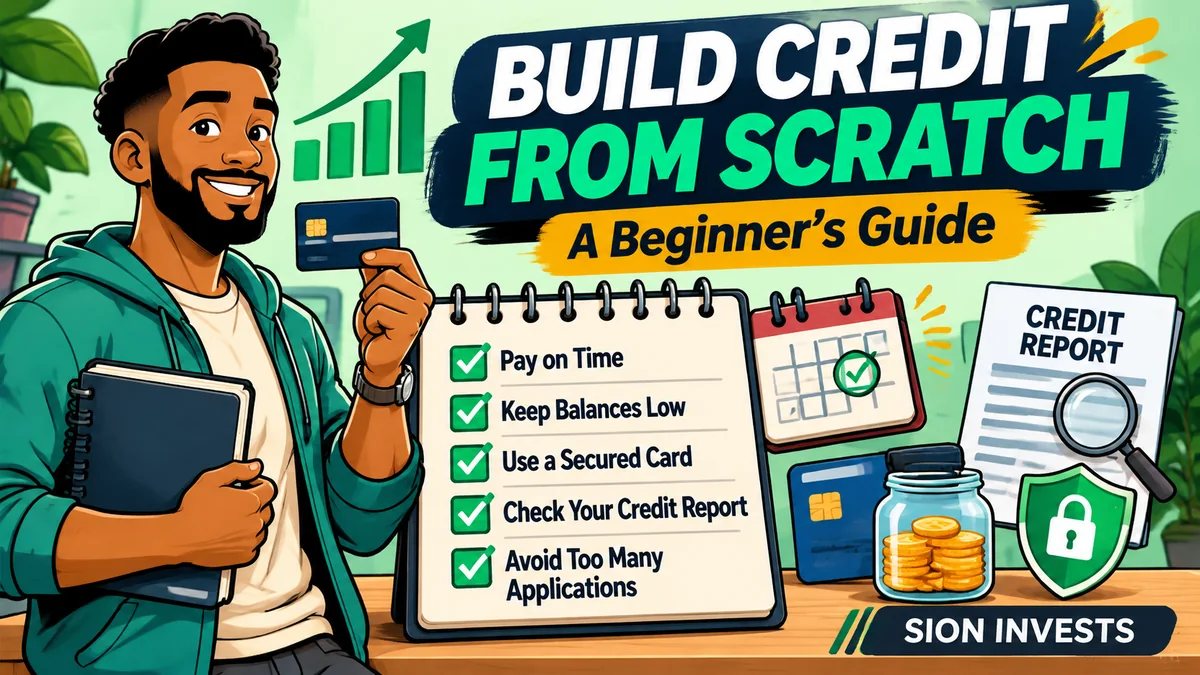
1. Understand the difference between a credit report and a credit score
A credit report is a record of information about your credit accounts and payment history. It may include account opening dates, balances, credit limits, payment status, collections and certain public-record information, depending on the reporting system and the type of report.
A credit score is a number calculated from information in a credit report using a particular scoring model. Different lenders may use different scoring models and data, so the number you see in one app may not match the score a lender uses. You can have a credit report without having enough history to generate every type of score.
That distinction matters: your first goal is to establish accurate, positive account information that gets reported. A score is an outcome of the information and model—not something you can purchase or instantly create.
2. Check whether you already have a credit file
Before applying for a new account, find out whether a credit report already exists in your name. In the United States, AnnualCreditReport.com is the federally authorized website for requesting reports from Equifax, Experian and TransUnion. The CFPB says consumers can currently check reports from each of the three nationwide bureaus online once a week for free.
Review the personal details and account information carefully. Look for accounts you do not recognize, incorrect balances, duplicate debts, wrong payment statuses or unfamiliar addresses. If something is inaccurate, use the bureau's official dispute process and keep copies of relevant statements or correspondence. Do not pay a company simply to submit a dispute you can make yourself.
Remember that a free credit report does not necessarily include a credit score. The report is still valuable because it shows whether information is being reported and whether it is accurate.
3. Consider a secured credit card—after checking the terms
A secured credit card usually requires a refundable cash deposit that helps secure the account. The issuer may set the credit limit based partly or entirely on that deposit. You use the card for purchases and repay the bill like a regular credit card. The deposit is not a payment toward your monthly bill; it is collateral held under the card agreement.
A secured card may help establish credit if the issuer reports account activity to the credit bureaus. Before applying, ask these questions:
- Does the issuer report payment history to Equifax, Experian and TransUnion—or only some of them?
- Is there an annual fee, application fee, monthly fee or other charge?
- What is the purchase APR, and when can interest begin?
- How and when can the deposit be returned?
- Does the issuer review accounts for a possible upgrade to an unsecured card?
Do not choose a card based only on an advertisement saying it is easy to get. Read the agreement and calculate whether the fees make sense. If the deposit would leave you short of rent, food or emergency cash, wait until you can afford it.
4. Look into a credit-builder loan—but compare the total cost
Some banks and credit unions offer credit-builder loans. Instead of receiving the loan money upfront to spend, the institution generally holds the funds in a savings account or similar arrangement while you make scheduled payments. Once the agreement is completed, you receive the accumulated funds, subject to the product's terms.
These products can help some people establish a payment record, but they are not automatically a good deal. Ask whether payments are reported to the major credit bureaus, what fees and interest you will pay, what happens if you miss a payment, and when the money becomes available. Compare the total cost with the value of the service. Never take on a payment you cannot comfortably maintain.
5. Pay every bill on time—and set up reminders
Payment history is an important part of many credit-scoring models. A late payment can also trigger fees and additional interest under the account agreement. Set reminders a few days before each due date. If you use automatic payments, make sure the linked account has enough money and check that the payment actually went through.
If you can afford to do so, paying the statement balance in full by the due date can help you avoid interest on purchases when the card's grace-period rules apply. You do not need to carry a balance or pay interest to build credit. Paying only the minimum may keep an account current, but it can leave you paying interest for longer.
6. Keep card balances low relative to the limit
Credit-scoring models may consider how much of your available revolving credit you are using. This is often called credit utilization. For example, if a card has a $500 limit and the balance reported is $100, the utilization for that card is 20%.
Lower utilization is generally safer than regularly using most of the limit, but there is no universal percentage that guarantees a particular score. The often-mentioned 30% figure is a broad guideline, not a magic threshold. You do not need to spend on a card just to create activity; if you use one, keep purchases within your budget and pay them responsibly.
Card issuers may report balances at different points in the billing cycle. Paying down a balance before the statement closes may affect the amount reported, but do not let score optimization distract from the basics: pay on time, avoid interest where possible, and do not spend money you do not have.
7. Apply for new credit selectively
Submitting a full credit application can result in a hard inquiry, which may affect a score for a period of time. Several applications in a short window can make you appear to be seeking a lot of new credit. Prequalification tools may use a soft inquiry, but confirm this before proceeding because the process differs by lender.
Compare products first, check eligibility requirements and apply only when the account serves a real purpose. Avoid opening store cards at checkout just to receive a one-time discount. One well-understood account that you manage consistently is usually more useful than a stack of accounts you struggle to track.
8. Use an authorized-user arrangement carefully
Some card issuers allow a person to be added as an authorized user to an existing account. Depending on the issuer and the scoring model, the account's history may appear on the authorized user's credit report. This is not guaranteed, and it does not replace building your own responsible credit habits.
Only consider this with someone you trust who pays on time and keeps the balance low. Ask the issuer whether it reports authorized-user activity and to which bureaus. Agree clearly whether you will use the card, who is responsible for purchases, and how either person can end the arrangement. A high balance or missed payment on the account may create problems rather than help.
9. Avoid shortcuts and credit-repair promises
No legitimate company can guarantee a particular score or remove accurate, current negative information simply because you pay a fee. Be cautious of anyone who tells you to dispute every item regardless of accuracy, create a new identity, obtain a credit privacy number, or stop communicating with creditors.
You have the right to dispute information you believe is inaccurate or incomplete, and you can do that yourself for free. The FTC explains how to recognize credit-repair scams and why promises to erase accurate information are a warning sign. If you are overwhelmed by debt, consider a reputable nonprofit credit-counseling organization and understand any fees before signing up.
10. Give the process time and monitor your progress
Credit history is built from account information reported over time. A new card or loan will not instantly create a strong score. Keep copies of account statements, check your reports periodically, and confirm that the accounts you use are being reported as expected. If an account is missing or incorrect, contact the lender and the relevant bureau.
Do not obsess over daily score changes. Different scoring models can respond differently to the same report, and a small fluctuation does not necessarily mean you made a mistake. Focus on the habits you control: timely payments, manageable balances, limited applications and accurate reports.
A practical 90-day starter plan
| Time | Action | Purpose |
|---|---|---|
| Week 1 | Request and review your U.S. credit reports, if you have a file. | Find out what is already being reported and correct errors. |
| Weeks 2–3 | Compare a secured card or credit-builder loan. Check reporting, fees and repayment terms. | Choose only a product you can afford and understand. |
| Month 2 | If approved, make a small planned purchase and set payment reminders or safe autopay. | Build a repeatable payment routine. |
| Month 3 | Review statements and reports when updated. Keep balances manageable and avoid unnecessary applications. | Check that the account is reporting accurately and stay consistent. |
If a credit product is not affordable right now, you do not need to rush. Keep your essential bills current, build a small emergency buffer where possible, and revisit the options when your budget is ready. See our guides on building an emergency fund, creating a realistic budget, and avoiding common money mistakes.
Frequently asked questions
Can I build credit without a credit card?
Yes. Depending on eligibility and the lender's reporting practices, a credit-builder loan or another reported installment account may help establish a history. Some people may also benefit from an authorized-user arrangement. Confirm what gets reported before relying on any product.
Do I need to carry a balance to build credit?
No. Carrying a balance and paying interest is not required to build a positive credit history. If you use a credit card, pay the statement balance in full by the due date when you can and follow the terms of your account.
Will paying rent or utility bills build my credit?
Not automatically. Many landlords and utility providers do not report routine payments to the nationwide credit bureaus. Some rent-reporting services or programs may report eligible payments, but coverage, fees and which bureaus receive the information vary. Verify the details before paying for a service.
How long does it take to build a credit score?
There is no guaranteed timeline. It depends on the accounts reported, the scoring model and whether enough information exists to calculate a score. Focus on consistent habits rather than promises of a fast score increase.
Does checking my own credit report hurt my score?
Checking your own credit report is generally treated as a soft inquiry and does not lower your credit score. A lender's hard inquiry after a credit application is different. Use the official report source and avoid look-alike websites.
The bottom line
Building credit from scratch is less about finding a secret product and more about creating a reliable record. Start by understanding your reports, choose a product only if it fits your budget, confirm that it reports to the bureaus, pay on time and keep balances manageable. You do not need to go into debt to prove that you can manage credit.
This article is general educational information focused on the U.S. credit-reporting system. It is not individualized financial, legal or credit advice. Credit products, reporting practices, consumer protections and scoring models vary. Review account terms and confirm current rules with the relevant provider or regulator. See our financial disclaimer.
- Consumer Financial Protection Bureau — Ways to start or rebuild a good credit history
- Consumer Financial Protection Bureau — How to get and keep a good credit score
- Consumer Financial Protection Bureau — How to rebuild your credit
- AnnualCreditReport.com — Official U.S. credit report request site
- Federal Trade Commission — Free credit reports and avoiding impostor sites